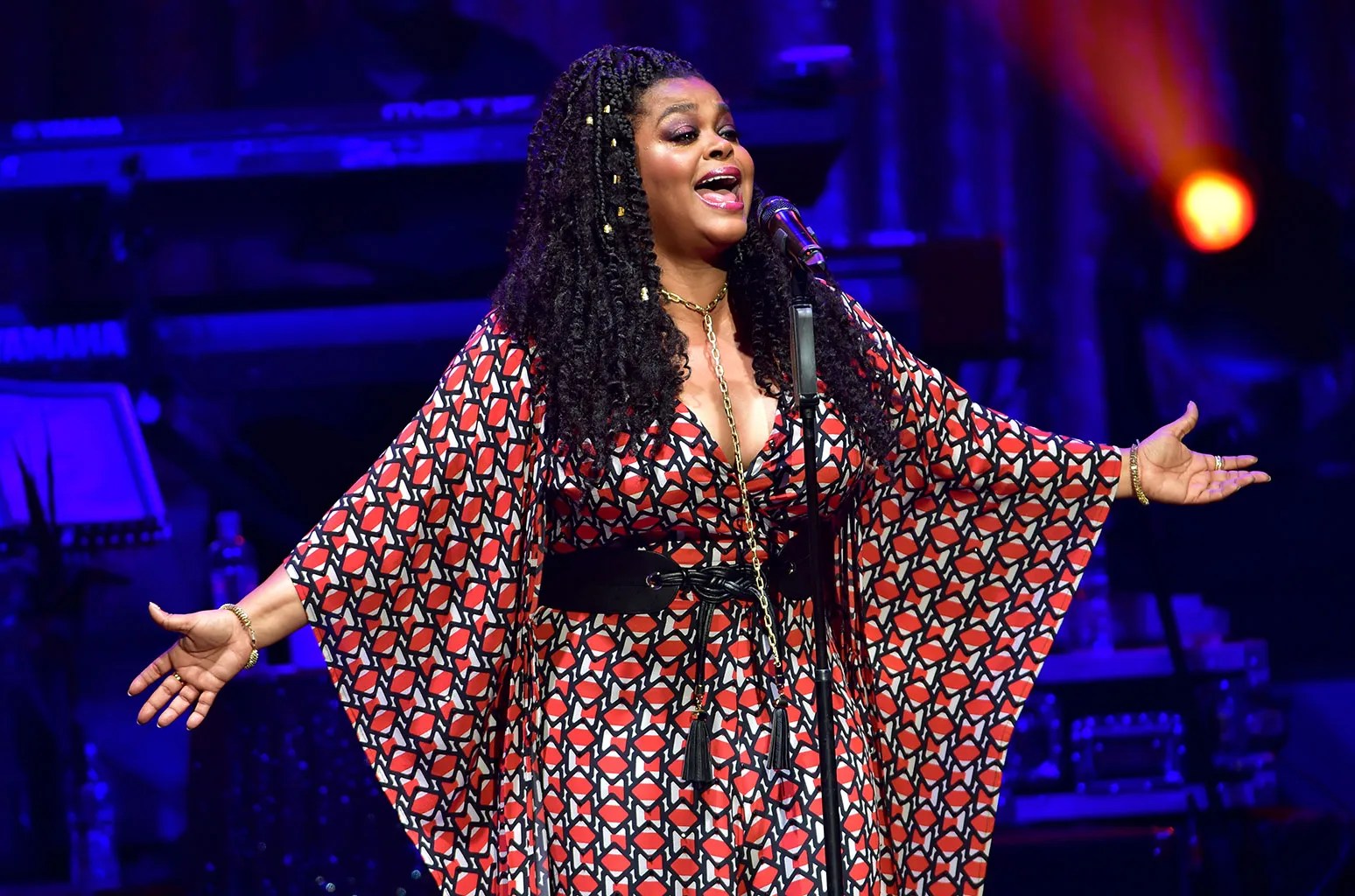
Jill Scott is deeply entwined in my life, but at the same time, I probably haven’t listened to her much in years. Her debut album, Who Is Jill Scott? dropped in 2000, on the cusp of a new millennium, and became an instant classic in what became known as Neo-soul. Like a lot of genre, it’s a nefarious business trying to pin down what makes something Neo-soul as opposed to R&B or soul, but it definitely leans into an organic sound – real instruments, live drums, and strong, powerful vocal performances. Philadelphia obviously has an extraordinarily rich history in soul music, and Scott became the latest on a long line of legends from that city to pick up the baton and run with it into a new era.
Right from the off, she created a sensual, rich sound full of tight performances and expansive songwriting, and that’s before we even get to that voice. She has a unique ability to sound sexy, authoritative, contemplative, in your face, gentle. She can sing, she can rap, she can sound like spoken word poetry. She’s the real deal and she quickly found herself at the top of the true alongside the likes of Erykah Badu and D’Angelo.
And then onto my own personal with this music. I had just got together with Caroline the year before – and indeed had just met Joey at the same time, and this genre was the so much the part of those years. I can think of scores of soul and R&B albums we all rinsed to death at that time – Lucy Pearl, Raphael Saadiq, Maxwell. And Jill Scott. They felt politically conscious very much like the Native Tongues hip hop of a decade previously, big on Afrocentricism and positivity. It was optimistic music. And I want to come back to that point.
Those first two Jill Scott albums I loved so hard. I don’t know why, but they just spoke to me and they soundtracked our early relationship. But like a lot of artists, she kind of fell of my radar a bit. I remember spinning her Woman album in 2015 a few times and thinking – yeah, I’ve heard this before, nothing new here. That was her last album. It’s been ten years.
So this could go one of two ways. It could be a tired old retread. Or it could be a revelatory return to form. I’d seen some preview reviews that suggested this might be the latter. And boy, they are not fucking kidding. I cannot believe how much I love this record.
Firstly, let’s get some housekeeping out the way. It’s not a short album. It’s 19 songs and 58 minutes. But personally, I have never had something slip down so easily. She sounds energised, excited to be making music, and so fucking cool. There’s an incredible array of genres on here – slow jams (Pressha, Beautiful People), hip hop (Norf Side, a real highlight for me), Afrobeat grooves (BPOTY), club friendly dance tunes (Right Here, Right Now). The whole thing is a total tour de force.
I know everyone is having their own journey here, so let me raise a couple of things that are worth considering. One is this – let’s be honest, this album could been made in 2002. It is not rewriting the history books, it’s just very, very good at what it is. But what it is is a very positive record, it’s a 53 year old woman rediscovering her joy at making music after a long gap. But it’s also full of that early 00s positivity vibe. I guess I’m wondering – does that feel a bit out of place in our fucked up, bleak world right now? For me, it’s just giving me life. But maybe it doesn’t quite for everyone…
The other factor is that this is plugging into my past and probably even my relationship with Caroline. Remove that and does it mean so much to the average listener? Perhaps not.
Anyway, this is the first record I’ve heard this year that could be in my top 10. But that’s just me. Over to you, brothers…
Welcome to Episode 66 of This Is Not Happening. An Album of the Month podcast. In Part 1, we do a deep drive review of our Album of the Month. This month David brings Neo-Soul back into focus with Jill Scott and her comeback album 'To Whom This May Concern.In Part 2, we play Spin It or Bin It, we pick a theme and all pick songs that represent that theme. This month the theme is 'Neo-Soul, and it's a belter. —— Part 1 | Album of the Month | Jill Scott | To Who This May Concern ——Jill Scott's debut was released in 2000, it played a big part in some of our lives. But most of us lost touch after this release. It's 26 years later and Jill has been through some shit.This album is big, it's a lot. There is a lot to take in digest and consider. It works big time for some of us … not so much for others. Have a listen, let's get into this!Listen to the original album here.Tiny Desk concerts are getting better and better, here is Jill's.Watch some videos, interviews and performances here. —————- Part 2 | Spin It or Bin It | New Music —————- The theme is Neo-Soul, the task is pick a track that fits the theme, the objective, get more 'spins' than your friends. We each pick for tracks for a 16 track play list (that is fire).We then each pick select 1 track and ask the simple question 'Spin It Or Bin It'?Guy chose 'Heard it all Before' by Sunshine Anderson.Nolan chose 'Serve this Royalty' by Cody Chesnutt.David chose 'Don't Mess with My Man' by Lucy Pearl.Joey chose 'Untitled (How Does It Feel) by D'Angelo.We've been writing the blog for years come and have a look – https://thisisnothappening.net/
Welcome to Episode 64 of This Is Not Happening. An Album of the Month podcast.
In Part 1, we review and Album of the Month. This month Joey brings perhaps the most critically acclaimed album of 2025, Rosalia’s ‘LUX’.
In Part 2, we play Spin It or Bin It, we pick a theme and all pick songs that represent that theme. As it’s January and everybody is back in the gym or re-starting running program’s we’ve picked ‘songs to get injured to’.
_______________________Part 1 | Album of the Month | Rosalia | LUX________________________
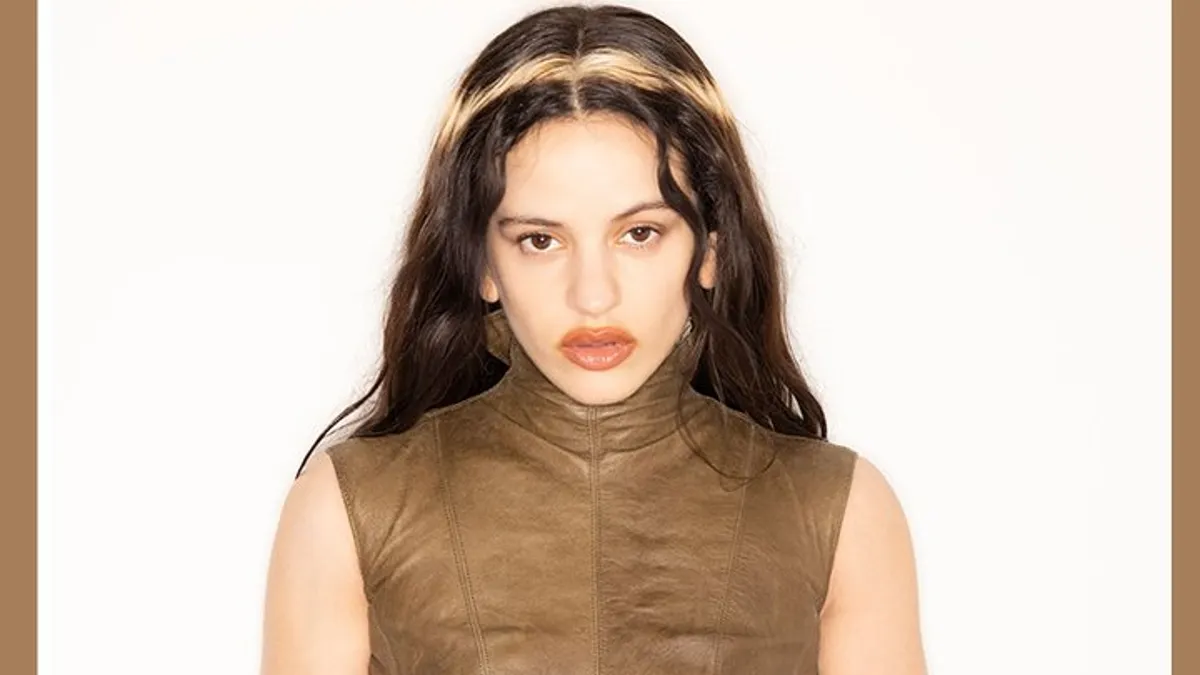
This is a big one. Big in many ways. Massively popular, globally. But more importantly MASSIVE in scope, scale and ambition. Rosalia’s 4th album takes a major turn from the reggaeton, digital urgency of Motomami. This a symphonic, spiritual, complex and challenging collection of songs presented in 4 movements (if you’re on vinyl). It requires you to focus, engage and consume with purpose.
It’s undeniable that it is ambitious, its brilliance is clear … but will any of us actually like it? Does it make you want to listen to it? Are you drawn to come back to it?
Check out the Zane Lowe interview with Rosalia here.
___________________Part 2 | Spin It or Bin It | Songs To Get Injured To _____________________
New Year New Me. The gyms are packed. People are begging to get injured. What should you chose as your soundtrack to that achilles rupture or that rotator cuff tear? The answer is probably in this 16 track play list that we created.
We each pick 4 tracks for the playlist and submit 1 track and ask the simple question ‘Spin It Or Bin It’?
I nearly chose Rosalia’s Motomami as album of the month back in 2022. I think I correctly determined that the rest of the pod would hate it. It was chaotic, digital, and brilliantly abrasive. But it also leant very heavily into Reggaeton that I knew would wind at least 2 of the brothers up. That album won 4 Latin Grammy awards as well as the Grammy for best Latin Alternative album. Where do you go after that?
Apparently, you go towards the light (‘Lux’ is latin for light and clearly references luxury too).
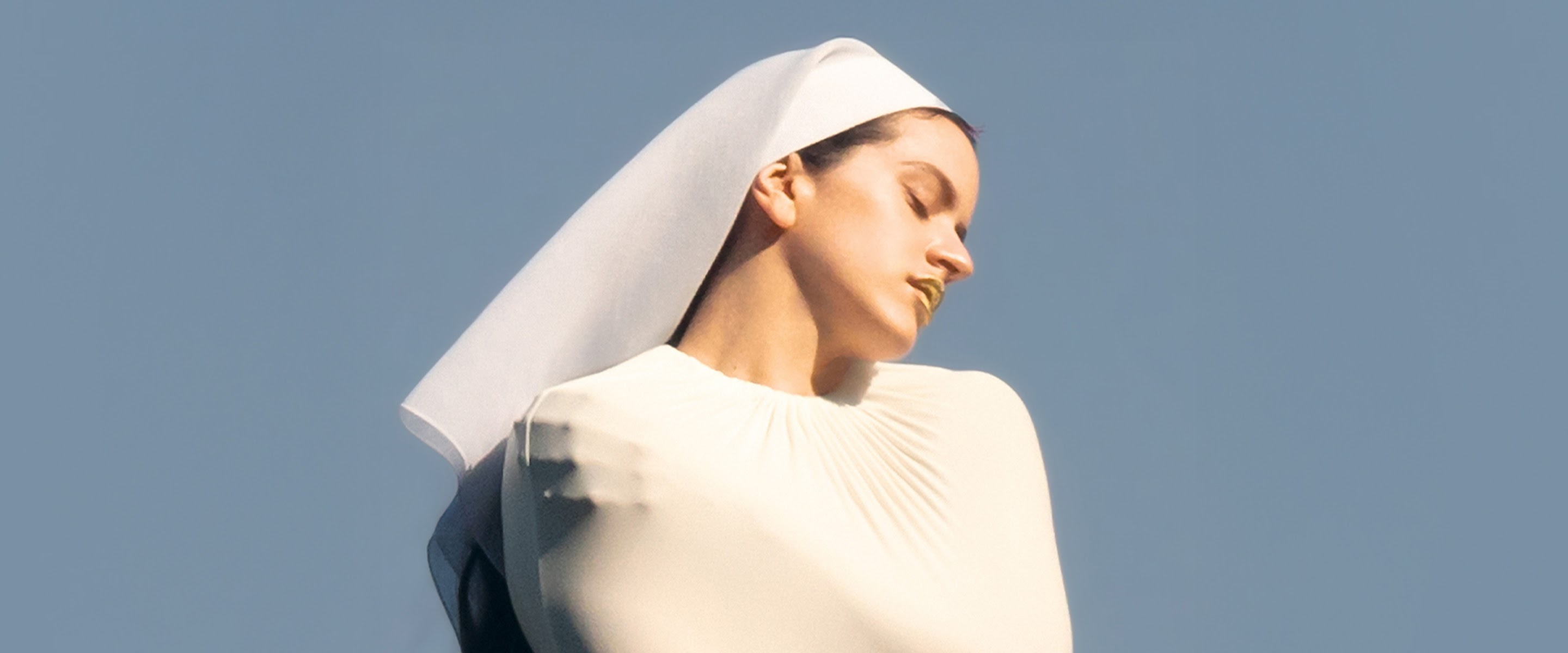
This month’s choice is LUX, the fourth studio album from Rosalia, and it’s a lot. If MOTOMAMI was an album following an adrenaline-fueled night out in a neon-drenched city, LUX is the spiritual, orchestral comedown at dawn. It’s a MASSIVE, operatic, orchestral, experimental, entrancing, exciting, overwhelming experience, presented in 4 movements like a classical symphony.
Concepts and Themes.
At its core, LUX is a deep dive into the history of female mysticism. Rosalía has traded the streetwear imagery of Motomami for the iconography of female saints and spiritual pioneers. The album explores the idea of transformation she uses the stories of medieval mystics and uses these historical figures as mirrors for her own experience with fame and womanhood. This record is obsessed with transcendence, reaching for a state of peace or grace beyond the noise of the modern world.
Architecture of Lux’s Sound.
Rosalía is firmly in the driver’s seat as executive producer (handling ‘97%’ of the production herself … not sure how you determine a single % of production input but I’m here all day for random stats). However, the sonic world of LUX was built alongside a carefully selected team of collaborators.
Noah Goldstein: Rosalía’s long-term collaborator and the man who helped engineer the maximalist textures of Kanye West’s My Beautiful Dark Twisted Fantasy and the sparse brilliance of Frank Ocean’s Blonde. He knows exactly how to handle her more experimental impulses, having been a key architect on MOTOMAMI and Travis Scott’s Utopia.
Dylan Wiggins: Bringing the rich, multi-instrumental depth that anchors the album’s four movements. You’ve heard his touch on SZA’s SOS, The Weeknd’s Starboy, and Daniel Caesar’s Never Enough. He provides the soulful, organic counterpoint to the album’s grander symphonic moments.
David Rodríguez: Her right-hand man for vocal production. He’s the reason every one of those 13 languages she sings in hits with total precision. Beyond his work on the MOTOMAMI era, David (often known as Godriguez) has a deep history in global sounds, famously producing Sampa the Great’s breakthrough The Great Mixtape.
It’s also worth noting the absence of El Guincho, Rosalia’s long time creative partner, which reminds me of Little Simz’ recent creative journey? Notable is the inclusion of Caroline Shaw (the Pulitzer-winning composer who has worked with everyone from Kanye to the Attacca Quartet) and conductor Daníel Bjarnason. These are two heavyweight collaborators that represent and add to the scale of this work.
First Impressions.
I’ve only been living with this for a few weeks and my notes are a bit of a mess. I am finsding that I don’t often have the words to describe what I am hearing or feeling.
“Porcelana”: Inspired by the Japanese monk Ryōnen Gensō, who famously scarred her own face to pursue her spiritual path. It’s a haunting track where Rosalía sings partly in Japanese over a backdrop of Bernard Herrmann-esque string stabs and heavy flamenco claps.
“La Perla”: This one is going to spark a lot of debate on the pod. Musically, it’s a light, airy waltz with a dramatic swell of brass—but the lyrics are an absolute evisceration of a “world-class fuck up” ex-lover. It’s “the anti-ballad,” hiding venom inside a gorgeous, shimmering shell.
“La Yugular”: Drawing on the Sufi mysticism of Rabia Al-Adawiyya, this track explores the proximity of the divine. It features a surreal nesting-doll lyric about an army fitting in a golf ball, ending with a spoken-word fragment from Patti Smith.
“Berghain”: (Featuring Björk and Yves Tumor) is a total head-fuck in the best way possible—a club track that feels like it’s being performed in a cathedral.
The Anti-Dopamine Manifesto.
Crucially, Rosalía has been very vocal about how she wants us to consume this record. In a direct response to the “commoditisation of the hook”—where 15-second snippets are engineered specifically for social media virality — she has described LUX as an anti-dopamine hit.
She isn’t interested in making background music for your morning commute or soundtracking a scroll through your feed. Her advice? Sit in a darkened room with the lyrics and their translations in front of you. This is not “easy listening,” and it wasn’t intended to be. It’s an album that demands total, undistracted attention. It’s a challenge to the modern listener to slow down and sit with the discomfort of silence and the weight of an orchestra.
Whether she’s successfully fought back against the TikTok-ification of music or simply created something beautifully inaccessible is exactly what we’re going to get into in the podcast.
Yes, Joy is back, and isn’t that a good thing to say?
It was way back in January 2022 in Episode 19 that we first welcomed the south Londoner to the podcast, and I’ve been anticipating her next move ever since her brilliant debut, Skin, found its way into my life. That album – Crookes was already hyped and was nominated for the Brit Rising Star award in 2020 – truly put Crookes on the map, a heady mix of twenty-something south London life as a mixed-race women – growing up with an Irish father and Bangladeshi mother – painting nights out wrapped in cigarette smoke and JD and cokes, the 35 bus, parties, family, flirting and love, all set against deeper topics of mental health struggles, identity and nods to the good and bad of multicultural Britain. Trading on smoky soul, r’n’b, 60s pop, dancehall, as much of a melting pot as the city she calls home. It won the then 22 year old plaudits and a Mercury prize nomination.
It was a firm favourite in Hornsby towers; songs are still on my daughter’s playlist. It has been in my life ever since, a post-Covid breath of fresh air that seemed to have London as a backing singer, reminding me fondly of the place I called home for over two decades. The album was toured relentlessly over the next two years, with talk of new material in the studio, as well as Crookes’ appearance at fashion shows, festivals and even a Lexus advert, enjoying her new-found fame and bringing her own down-to-earth energy wherever she was. It was hard not to see her having the time of her life and not be there vicariously with her. And I wasn’t begrudging one single moment. She was the star we could all get behind.
But where was the new music I hoped for? It took until January of this year when Pass The Salt dropped: a new single, as yet decoupled from any expectation of a new album. And it felt fresh. Tricking us with a filtered soul intro, before dropping into heavy-drummed and bass-driven verse which felt like a statement of intent: “listen to this / I’ve got plenty to get off my chest.” Joy was back, but where had she been? This was a different tip to her smoky, ballsy, fun-filled sound of 2022. This was more weighty, direct, and pointed to a hardening of the now 26 years old artist: “I got thick skin on these bones, ah / When a bitch don’t rise to rumour / Get the words stuck in your throat, throat, throat”. It also featured a rasping verse from Compton native Vince Staples, elevating it and nudging away from expectations in under three minutes. As a comeback, it asked questions: what was next, what did Joy have to say this time, and was there an album coming soon too?
A second single followed soon after, again with a big name verse to shift thinking further: this time enlisting grime superstar and actor Kano for his verse in Mathematics. A more soul standard track this time, but with the grime OG’s vulnerable words standing out with power and poignancy alongside Crookes’ lyrics and pushing things forward (as well as starring in a memorable video for the release, below). On the surface, it felt like a song about unrequited love, but it also felt like something heavier loomed in the background. It raised the interest of both new directions, and what lay behind Crookes’ next step. After third single – the up-tempo pop of ‘I Know You’d Kill‘ in March – I finally got the news I was hoping for: a new album, Juniper, was due in September, almost four years to the day from her debut. It felt a long time, and as the media rounds started for that release, things became clear that it hadn’t been a simple ride for Crookes since she got on the hamster wheel.
For all the joy of the new record – to which we’ll come – there’s significant context to Juniper’s journey from studio to airwaves. In the middle of her rush of fame, things fell apart. The late nights and VIP rooms had been fun as she found her way up through the next tiers of the industry, but it all felt disconnected, causing Crookes to step away and question what was important to her. Talking to Grace Dent in her Comfort Eating podcast, she laid bare how hard it had hit her: “.…it was a very dark time. I was extremely unwell. Not in a good place. I had to face those mental health issues: after the high, I flew down. I was lonely and isolated, like I had no connection to anyone.” If it all sounds bleak, it was. Right at the point where she should be releasing a second album, there was questions around her own health, and whether it would actually happen.
While plainly laid out in its lyrics – opener Brave is an early statement: “I’m so sick, I’m so tired I can’t keep losing my mind / I want to be brave, I want to be in love / It’s time I stopped running away. I should stay” – Crookes had to contemplate confronting the reality of where her head was at to even get to the studio. Telling DIY mag: “Touring and everything is a great distraction but I obviously had something bubbling up for years in the background I’d decided not to deal with, mentally.” Sparked by coming out of a relationship, she realised her behaviours “were actually traits of someone with very specific traumas”. She had to choose between the party and her soul, and it came down to an easy choice, but a harder road: “you can fuck around, but the play time’s gonna end at some point. No more Alaïas or Tabis, you’re gonna have to put on your fuckin’ Salomons and go on the hike!” It’s what makes the joy of Juniper even greater, given what was overcome.
I’d already been playing the singles to death through the summer – the fast-paced 60s pop of I Know You’d Kill (penned about her love for her brilliant female manager) and the sultry Carmen, eschewing the simple love and loss for the myth of unattainable beauty – and they continued to come thick and fast. The modern trait of releasing half the album in tracks that’ll get the airplay and streaming numbers does dilute the mystery of the long player. But what was revealed early didn’t remove too much from the final product. It was so good to see Crookes back, and I was ready to play Juniper on repeat on day one, enjoying how much the singles change feeling as part of a greater whole.
It was such a bright, accessible listen. Crookes always had a skill for enveloping, classy soul and pop that – whatever the subject matter – you could tap and dance too, and her own vibrancy came through in every line. Brave’s dusky overtones were classic Crookes, but it felt laced with sadness: “Sometimes it’s hard to smile / When no hurt feels against us”, the vocals as rich and heady as ever, with its tales of love and the fear laying yourself open to someone else. Her wider palette of influences – not just Nina Simone or Sarah Vaughan, but also the first wave of Bristol’s trip-hop scene and Joy Division – seep into the album, and the first half of singles-heavy tracks, reward with layers. Flying through Pass The Salt – a track that sees Crookes call out an ‘arsehole woman’ who’d spread rumours about her – and Carmen‘s playful musings on beauty and expectation. Flitting effortlessly between genres and styles that revolve around her London soul and street sounds, she plays on her heritage – Perfect Crime’s video was shot in her mother’s homeland of Bangladesh, with Crookes goofing around on the river and the back of motorbikes, seemingly happy to be out of the other side of her trauma – and confidently wears it on her sleeve.
There are more musical departures that nod to a widening of horizons, too. For all of some reviewers seeing First Last Dance as a more derivative dance/pop track, it’s a firm favourite of mine already, and shows a willingness to move away from the template (and features one of my favourite lyrics on the album – ‘Feel like Travolta / Each time I hold ya’. And far from a breezy theme, like much of the album, it had a deeper narrative, relaying the anxiety felt during the recording process. As she told DIY Mag,“I was like, ‘my chest at the moment, you know that scene where they stab [Mia Wallace] with the needle because she’s taken way too much cocaine?’ They were like ‘yeah?’ and I was like, ‘well, that’s how it feels’.” She grins. “They were like ‘well, that’s a lyric!’”.
The production on the album really worked too. It was – to me – a bit more varied, but warm, full of layers, and above all, sat back to let Crookes’ voice shine through. The two work in harmony, and there feels like an added richness to her voice too, with a few years (and a few cigarettes) more, it’s so full of character. The album was a blend of studio talent: Blue May, her most regular partner, producing Skin before this record, was back. Harvey Grant also returned, having worked with Arlo Parks previously too. Tev’n – a collaborator with Stormzy – debuted, as did Chrome Sparks. With Crookes finding a way to blend al of this together, it sounds fantastic, but never overdone.
Of all the tracks that have found their way into my head, Somebody To You is the album’s zenith to me. Perhaps the simplest song on the record, it just aches with sadness and thoughtfulness (and features a sublime Sam Fender on backing vocals). Alongside the companion video, it feels like a classic love song, but once again the truth is more uncomfortable than that. Talking to Glamour magazine, she told how it actually hints at a familial relationship that had broken down in the interim and caused Joy to rethink what her life looks like without her reliance on that relative. And that also points to a bigger narrative about being a woman: “It’s such an important question for women trying to define their full adult selves outside of relationships that no longer serve them,” Crookes said, nodding to the line “‘Who am I when I’m out of your sight? I want to see how we look apart”, as “what the album really is about.”
The themes may more broadly always bring in love in all its raw detail – Perfect Crime’s title nods to the joy love after heartbreak – and Mathematics tells of unrequited love, with its verse recorded secretly by Kano, so moved was he by the song, and A House With A Pool, a tale of an abusive ex-partner and for Crookes “a shit year when I ground myself down into the smallest version of myself”. At each turn, there is something deeper running through Juniper than simple heartbreak. Where Skin was as much about love, identity, family and a love letter to her south London homeland, Juniper feels closer, more introspective.
It’s the sound of an artist that has grown up in the spotlight, suffered and questioned the outcomes of the very thing she loves, and come back to her centre of family and friends, to find connection and a way out of the trough. She is willing to put it all out there, and there’s a bravery and determination that makes Juniper rise above the simple follow-up on the same template and marks a step forward. Closer Paris muses on the effect of a relationship with another woman, Crookes calling out “one of the best songs I’ve ever done.” There’s a freedom to her admission that it didn’t matter to her being with someone rather than worrying about her internal voice’s worries: “Kinda wanted you to be my girlfriend / Didn’t wanna fuck with no more Catholic guilt / When it comes to pride / I’d raise my heart to a girl or guy”. It feels a distance from the person she was then, a willingness to embrace the emotion. I was stood in the crowd at Glastonbury in 2022 when she wept tears of joy at where she’d come to, and I think of that now and where this album will take her, a smile on my face.
Despite so much of the record being underpinned her exposure to fame and its pitfalls, it’s never painted in a morose or self-involved way. She is willing to reveal warts and all, and call out her own failings as much as her struggles. The tunes soar so well, and her lyrics are so sharp, clever, and zippy, that you feel you are always on Crookes’ side, even as she’s telling you her darkness of the past few years, while asking you not to pity her. She values her ‘reset’, and the people around her, from her family and pre-fame friends, to her manager Charlotte Owen, for whom I Know You’d Kill is a celebration of. There’s something beautiful about the fierce independence of two women, fighting back in an industry built on the male gaze.
As much as the subject matter weighs – and rightly so – on Juniper, it doesn’t flatten the melodies, and it’s also possible to let the album wash over you, dancing to the sound, as much as deep listening, headphones on, and taking in all of its majesty under the surface. And albums working on two levels are what we all love, right?
What Juniper gives me is a follow-up from a British songwriter of class, wit and honesty that feels every bit as good as the debut, with four more years of life, emotion, understanding and recovery poured into it. For all the struggles that Crookes has gone through, her determination to come out of the other side and bring that through to us in her music is a gift for all of us. In her early releases, there may have been lazy ‘next Winehouse’ comparisons, but I can’t think of another artist like her around, so steeped in London, and the clash of cultures that have made her who she is. We are lucky to have her and I hope you’ll see some of what I feel about Juniper in your own experience.

 thisisnothappening.net